
Waste Heat Recovery Boiler in India
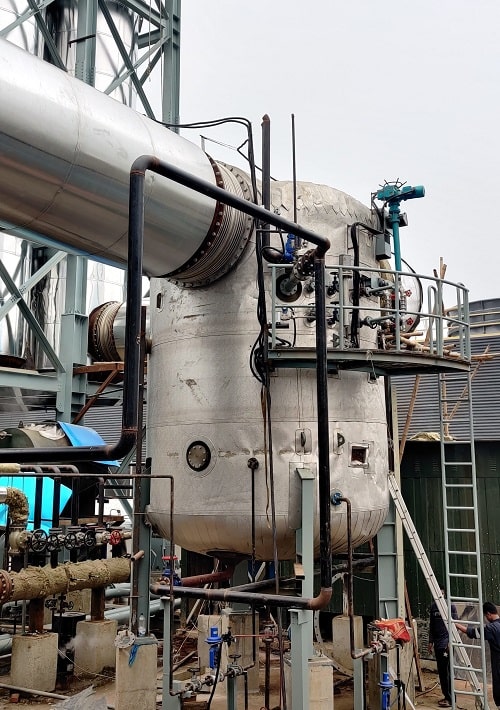
Deb Asish Associates provides the best Waste Heat Recovery Boiler in India, located in Kolkata, specialized energy systems designed to capture and repurpose excess heat generated during industrial processes, which would otherwise be wasted. Here you can find various types of Industrial boiler systems. These systems convert waste heat into usable thermal energy, typically in the form of steam or hot water, which can be used in various applications, such as generating electricity, heating, or additional process heat. By leveraging this excess energy, our waste heat recovery boiler contribute significantly to improving industrial energy efficiency, reducing fuel costs and minimizing environmental impacts, particularly by lowering greenhouse gas emissions. Call us for more information +91 9830 21 4401.
Principle of Operation - Waste Heat Boiler
Deb Asish Associates is the best Waste Heat Boiler manufacturer in India, function by capturing heat from waste gases or fluids that are byproducts of industrial processes. And these gases are often released at high temperatures and can represent a substantial source of recoverable energy. Waste Heat Recovery Boilers work by channeling these waste streams through a boiler where the heat is transferred to water or another working fluid. So this heated fluid then transforms into steam or hot water, which can be utilized within the facility for various applications.
The efficiency of Deb Asish Associates ( DAA ) Waste Heat Recovery Boilers hinges on the temperature and flow rate of the waste heat source. Higher temperatures and larger volumes of waste heat enhance the system’s energy recovery potential. Since WHRBs do not require additional fuel to generate heat, they effectively lower the total energy consumption of the plant, making them both cost-effective and environmentally friendly.
3 main Types of our Waste Heat recovery Boilers
As we provide best Waste Heat Recovery Boiler in India, Our several Waste Heat Recovery Boilers types, each designed to meet specific operational requirements and waste heat conditions. Key types include:
Usage of Waste Heat Recovery Boilers
Our Waste Heat Recovery Boilers are widely used across various industries in the world and particularly those that produce large volumes of waste heat as a byproduct of their core processes. Key applications include:
Power Generation Plants
Waste Heat Recovery Boilers capture waste heat from gas turbines, reciprocating engines, or other high-temperature processes to generate additional power, which can offset the power plant’s fuel consumption.
Cement Industry
In cement manufacturing, waste heat is abundant due to high-temperature kilns. WHRBs can utilize this heat for generating power or providing additional process steam.
Steel and Metallurgical Industries
Steel production generates substantial waste heat that Waste Heat Recovery Boilers can capture, reducing energy demands and supporting sustainable practices.
Chemical and Petrochemical Industries
These industries operate at high temperatures and produce large volumes of waste heat. WHRBs are employed to produce steam or hot water used for other processes or electricity generation.
Glass and Ceramics Manufacturing
These processes also release significant waste heat, which can be recycled through WHRBs to improve plant efficiency.
Advantages of our Waste Heat Recovery Boiler in India
Our Waste Heat Recovery Boiler in India provides numerous economic and environmental benefits, making them valuable in energy-intensive industries

Energy Efficiency Improvement
WHRBs increase overall energy efficiency by harnessing energy that would otherwise be lost. This reduces the need for additional fuel and cuts energy costs.

Cost Savings
By reusing waste heat, WHRBs decrease the demand for fuel, lowering operational expenses significantly over time.

Greenhouse Gas Emissions
Waste Heat Recovery Boilers help reduce emissions by lowering the need for fossil fuel combustion, which decreases carbon dioxide (CO₂) and other greenhouse gas emissions, aligning with sustainability goals.