
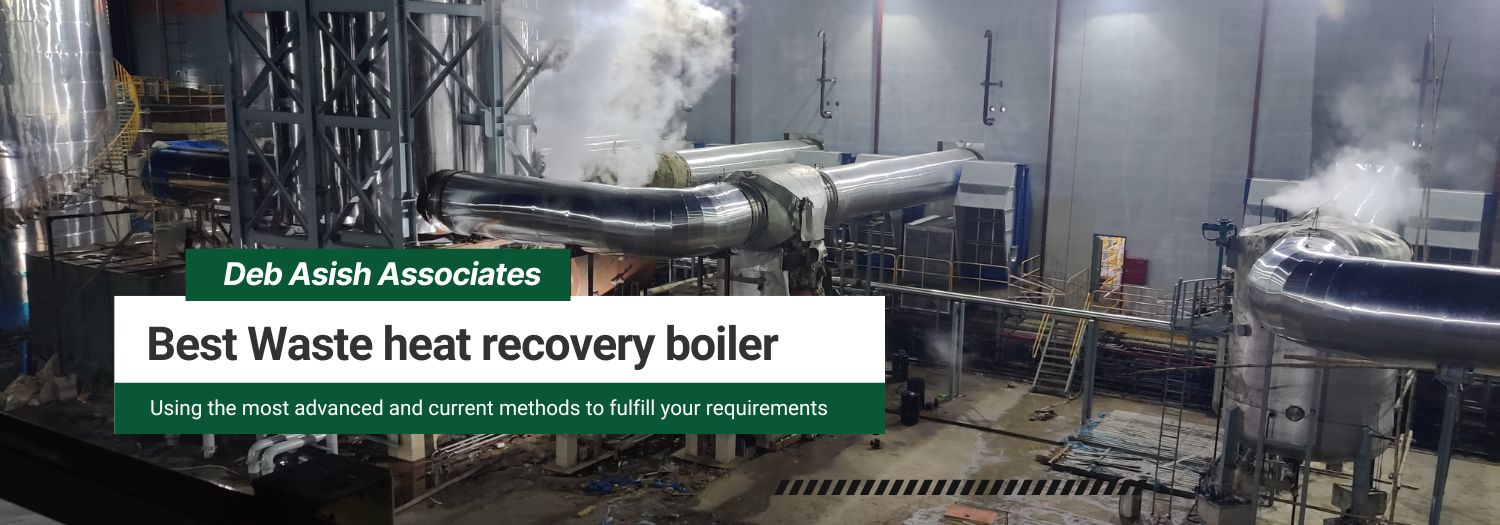
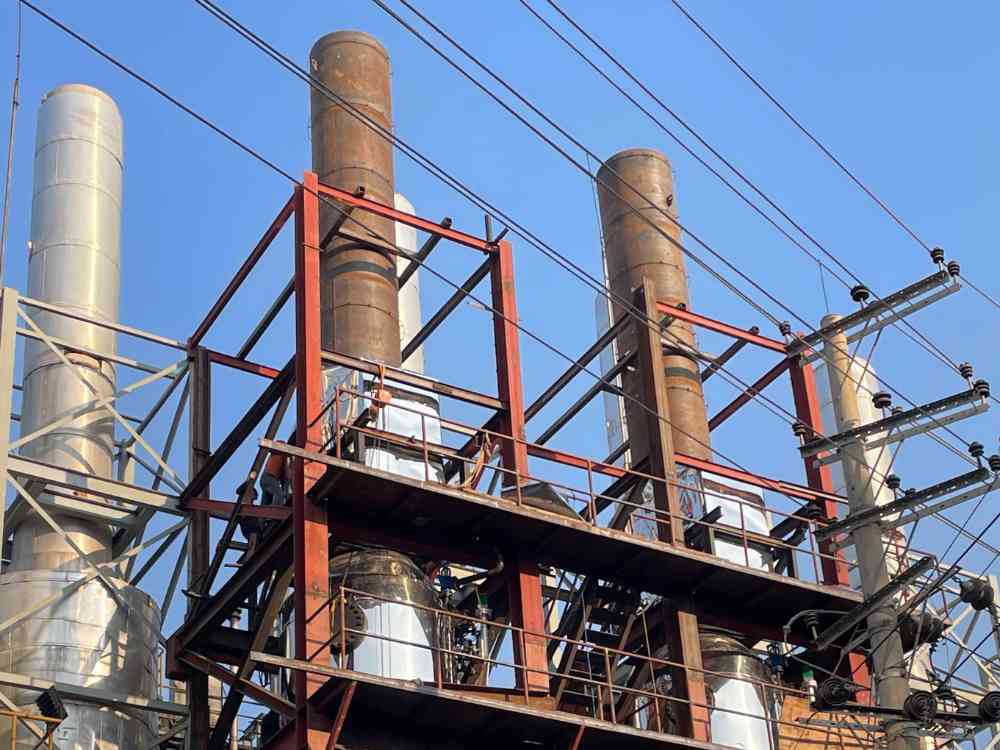
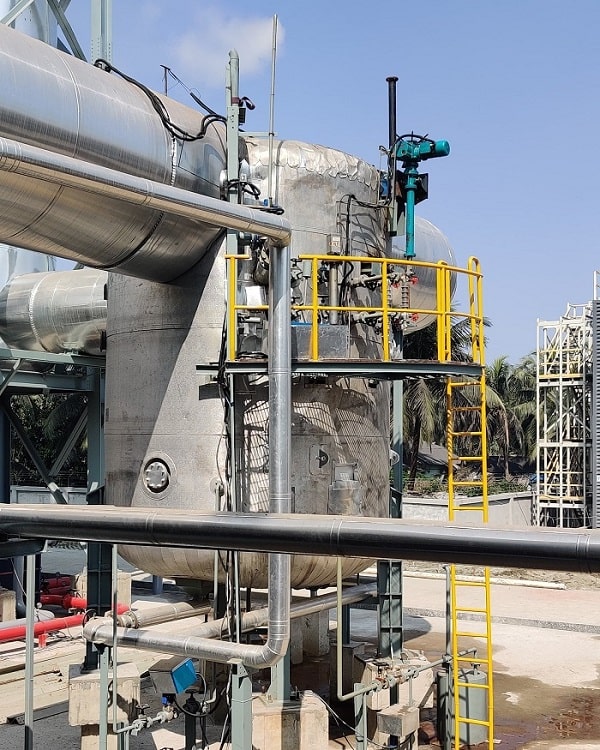
In a coal based sponging plant temperature of the kiln waste gases stays between 850 and 950 degrees Celsius. The clean gases are let out into the atmosphere through a chimney with the help of an induced draft fan. Recovery boiler based power plant is an increasingly popular way to recover thermal energy from waste gases.
With 200 tons per day kilns about 3.5 to 4 megawatts of power can be generated. For the recovery of thermal energy each kiln needs 1 waste heat recovery boiler of 10 tons per our capacity. Deb Asish Associates is the best Waste heat recovery boiler manufacturer in India. We are using the most advanced and current methods to fulfill your requirements.
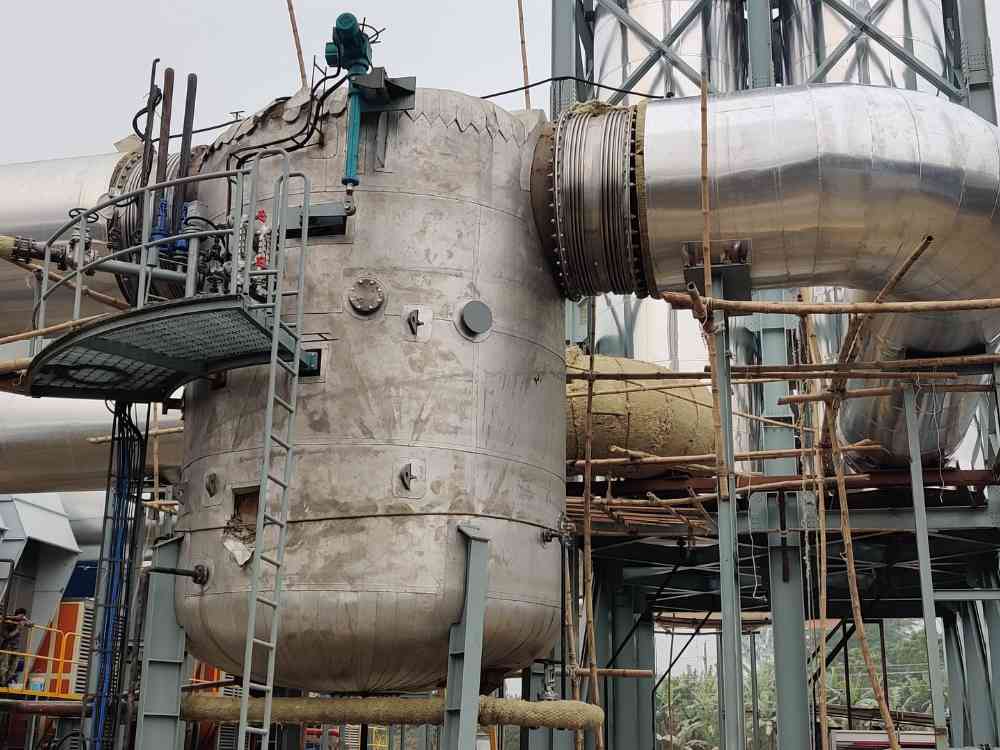
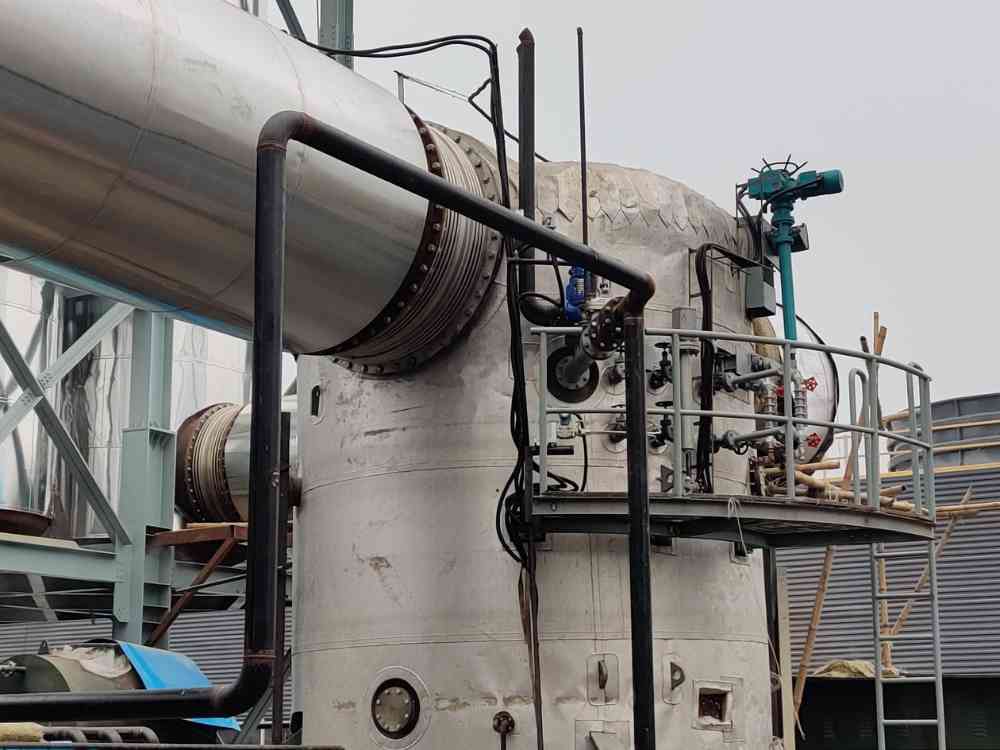
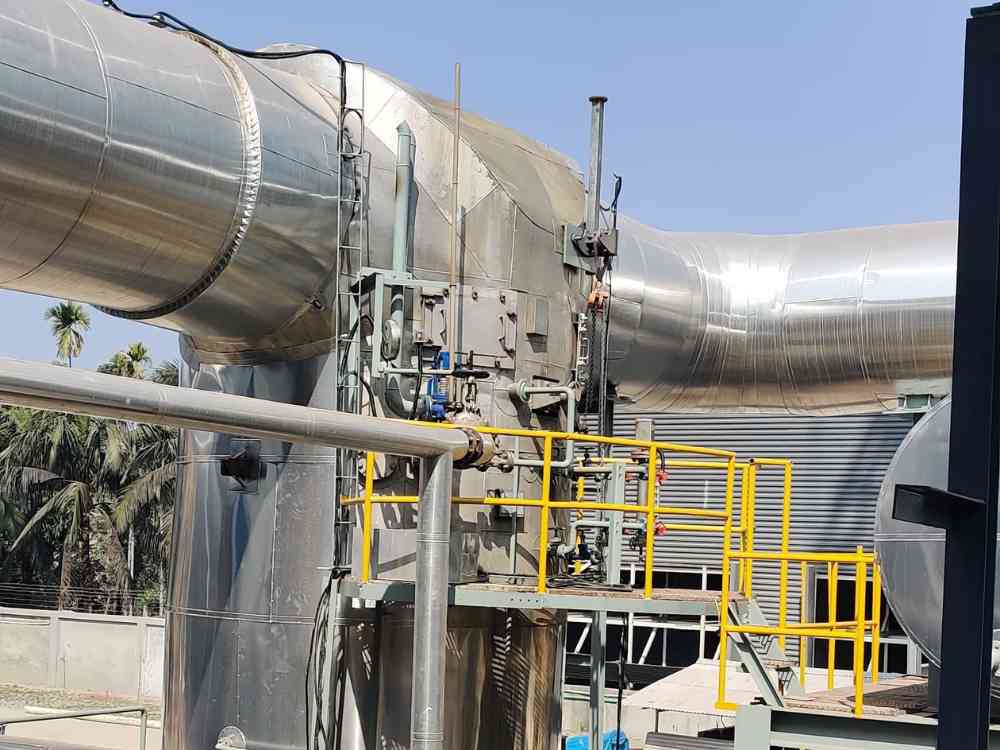
To understand the power generating process, let us consider a four megawatt power generating unit. The rotary kiln generates waste of flue gases. The gases then enter the boiler. The boiler is a PI drum water tube structure, the gases enter a super heater and then a set of boiler Bank tubes, in these tubes they transform into steam and then enter the water drums inside the tubes. Following this process the gas is cooled down to about a hundred and eighty degrees Celsius, and now they enter a bare tube economizer. A fan takes care of the gas draft losses in the system the steam turbine is of multistage horizontal spindle condensing type turbine. The turbine has a gear unit capable of continuously transmitting the necessary power and is designed for speed reduction ratios for the turbine.
The unit may consume the power partly and evacuate the rest into the state grid. A Waste heat recovery boiler based power plant is suited for a DRI plant of a hundred DPD modules and above. In case the power generated is not utilized completely it will be a loss as it cannot be stored and the generation should be reduced accordingly. WHRB based power plants also require adequate water supply on a continuous basis.
Waste Heat Recovery Boilers play a crucial role in maximizing energy efficiency, conserving resources, and supporting environmental sustainability in industrial operations. By capturing and reusing waste heat, WHRBs help reduce fuel consumption, lower operational costs, and minimize greenhouse gas emissions, aligning with global sustainability goals. While they present some challenges, such as initial costs and maintenance requirements, the long-term benefits often outweigh these considerations.
As industries continue to seek ways to enhance efficiency and reduce their environmental impact, Waste Heat Recovery Boilers will remain essential in industrial energy systems. With ongoing advancements in design, materials, and digital monitoring, WHRBs are set to become even more efficient and adaptable, supporting a more sustainable future in industrial operations.